Spanish is spoken by over 500 million people worldwide, but did you know that Spanish does not sound the same all around? Depending on where you are, Spanish can vary in pronunciation, vocabulary, and even grammar. These variations are known as dialects and are shaped by history, geography, and culture. Let’s analyze some of the key differences between Spanish dialects from Spain to Latin America.
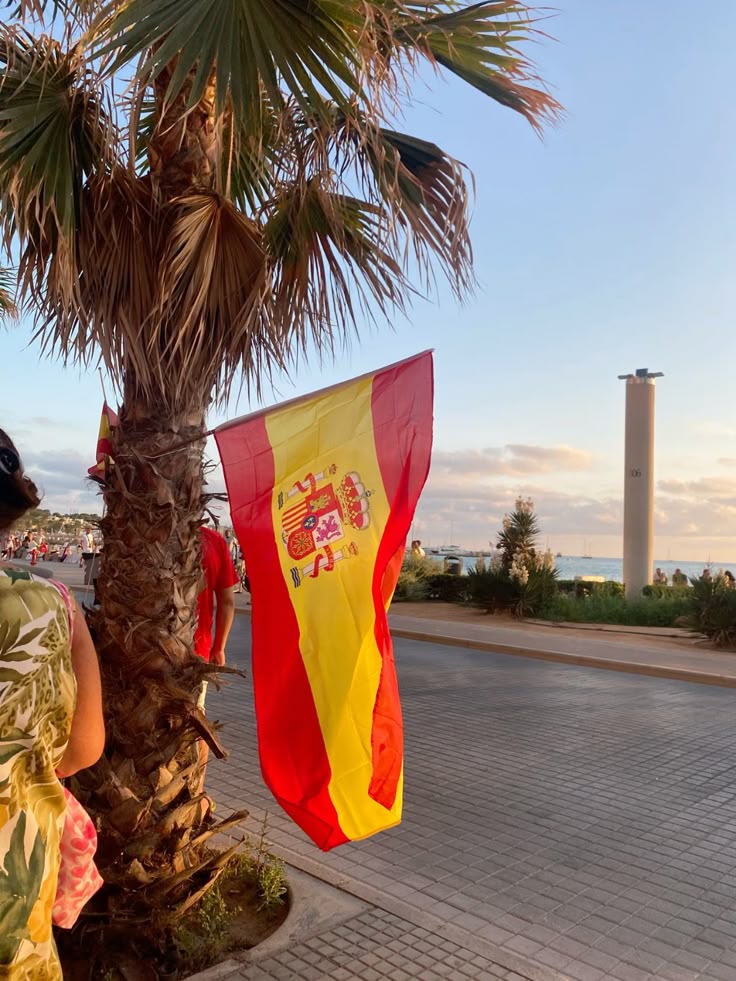
The version of Spanish spoken in Spain is often referred to as Castilian Spanish, or simply “Castellano”. One of the most noticeable features is the pronunciation of the letter “z” and the letter “c” before e or i, which is pronounced like the English “th” sound. For example, the word “gracias” (thank you) sounds like “grathias” in Spain, while in Latin America, it’s pronounced with an “s” sound, more like “grasias”. Another difference is the use of vosotros for the plural “you.” In Spain, people use vosotros for informal situations when talking to a group, but this is not used in Latin American dialects, which instead use ustedes for both formal and informal situations.
Mexican Spanish is one of the most recognizable Spanish dialects, partly because of Mexico’s large population and media influence. One unique feature is the use of “usted” for politeness, even in more informal settings. Mexicans also have a rich vocabulary of slang, with words like “chido” (cool) and “güey” (dude), which are commonly used among friends. The pronunciation in Mexico is also different. For example, the letter “s” is always clearly pronounced, and words tend to be spoken with a slower and more intentional rhythm compared to some other Latin American dialects.
In places like Cuba, Puerto Rico, and the Dominican Republic, Spanish has a very different rhythm. One of the most noticeable features is that speakers often drop the “s” at the end of words. For example, “más o menos” (more or less) might sound like “mah o meno” in Cuban or Dominican Spanish. The pronunciation can be fast and with lots of contractions which makes it seem less clear to non-native speakers. Caribbean Spanish also borrows a lot from African languages and Taíno, the language of the island’s indigenous people. This leads to a unique vocabulary and flavor to the dialect.
In Argentina and parts of Uruguay, Spanish takes on a whole new twist with a dialect known as Rioplatense. One of the most striking features is the use of “vos” instead of “tú” for the informal “you”. So, instead of saying “tú tienes” (you have), someone in Argentina would say “vos tenés”. Argentine Spanish is also known for its unique pronunciation of the “ll” and “y” sounds, which are pronounced like the English “sh”. So, words like “calle” (street) would be pronounced “cashe”. This gives the dialect a very distinctive sound.
Chilean Spanish is often considered one of the hardest dialects for Spanish learners to understand because it’s spoken very quickly, and Chileans tend to drop the endings of words. They also have a lot of unique slang, called “chilenismos”. For example, “cachai” means “do you understand?” and is often used at the end of a sentence.
The spread of Spanish to different parts of the world began in the 15th and 16th centuries when Spanish explorers and colonizers arrived in the Americas. As they settled in new regions, the language mixed with indigenous languages and evolved over time. This, combined with geographical distance, allowed different Spanish-speaking regions to develop their own distinct dialects.
While these differences can seem overwhelming, it’s important to remember that all Spanish speakers can generally understand each other. The core grammar and vocabulary remain the same, even if the way people talk varies. Learning about regional dialects can help you better appreciate the rich diversity of the Spanish language and culture. So, whether you’re learning Spanish in Mexico, Spain, or Argentina, you’re engaging with a language that is full of history and variation. Embrace the differences and enjoy the beauty of Spanish in all its forms!
 Language to Life
Leave a comment