Language is often understood as a tool used to communicate ideas and emotions. However, language can also shape the way a person expresses their personality. Because of this, many people feel slightly different depending on the language they are speaking.
This does not necessarily mean they become a completely different person. Rather, certain parts of their personality may become easier to express in one language than in another. For example, a person may sound more confident in one language, more humorous in another, or more emotionally open in the language they connect with most closely. As a result, the same person may come across differently depending on the setting and the language being used.
This happens because language is tied to experience, comfort, and identity. One language may be connected to home and family, while another may be linked to school, work, or public life. Therefore, the tone a person uses can shift naturally. A joke may feel more natural in one language, while a serious conversation may feel easier in another. In this case, the change is not fake. It is a reflection of how language influences expression.
Therefore, people do not always become a different person in a different language, but they may reveal different sides of themselves. Language affects not only what people say, but also how they say it. That is why speaking in another language can sometimes feel like stepping into a slightly different version of who you already are.
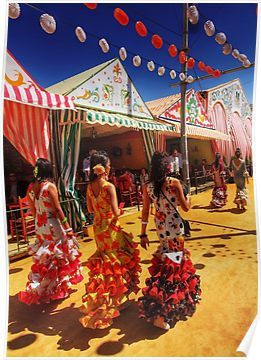
 Language to Life
Leave a comment